 admin
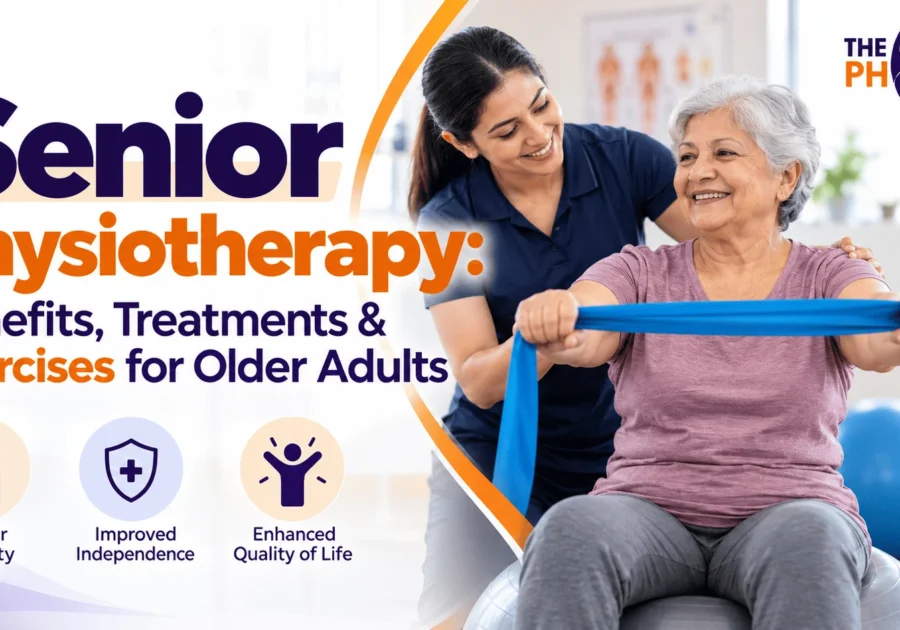
Getting older is a part of life. But living with pain, stiffness, or the fear of falling does not have to be. Many of us have seen our parents or grandparents slowly give up the things they enjoy. The morning walk gets shorter. Climbing stairs becomes a task. Getting up from a chair needs a push from both hands.
Most families accept this as “just age.” The truth is, a lot of these problems can be managed, and many can be improved, with the right kind of movement and care. That is what senior physiotherapy is all about.
In this blog, we will explain what senior physiotherapy is, how it helps, which treatments are used, and a few safe exercises that older adults can do at home.
What Is Senior Physiotherapy?
Senior physiotherapy, also called geriatric physiotherapy, is a branch of physiotherapy that focuses on people above the age of 60. It deals with the problems that come with ageing, such as joint pain, weak muscles, poor balance, slow walking, and recovery after surgery or illness.
It is not the same as general physiotherapy. An older body heals slower, gets tired faster, and often has more than one health issue at the same time, like diabetes, blood pressure, or heart problems. A physiotherapist who works with seniors keeps all of this in mind before planning any exercise or treatment.
The goal is simple. Help the person move better, feel less pain, and stay independent for as long as possible.
Why Does the Body Need Extra Care After 60?
As we age, a few natural changes happen in the body:
- Muscles lose strength and size, especially in the legs.
- Bones become thinner and break more easily.
- Joints lose their cushioning, which leads to stiffness and pain.
- Balance and reaction time become slower.
- Recovery from illness, injury, or surgery takes longer.
These changes are normal. But when a person stops moving because of pain or fear, the body gets weaker even faster. Less movement leads to more weakness, and more weakness leads to even less movement. Physiotherapy helps break this cycle in a safe and guided way.
Benefits of Senior Physiotherapy
1. Less Pain Without Depending Only on Medicines
Knee pain, back pain, and neck pain are very common in older adults. Painkillers give relief for some time, but they do not fix the reason behind the pain. Physiotherapy works on the cause. It makes the muscles around the joint stronger, improves movement, and takes the load off the painful area. Many seniors find that their need for painkillers goes down once they follow a regular plan. Any change in medicine should always be made by the doctor.
2. Better Balance and Lower Risk of Falls
A fall is one of the biggest worries for any senior and their family. One bad fall can lead to a hip fracture and months of bed rest. Balance training, leg strengthening, and walking practice are a big part of senior physiotherapy. The physiotherapist also teaches safe ways to get up from the bed, use the bathroom, and climb stairs.
3. More Strength and Stamina
Simple tasks like carrying a bag of vegetables, standing in the kitchen, or walking to the park need strength. With slow and steady exercise, older adults can build muscle again, even in their 70s and 80s. It may take time, but the body does respond.
4. Better Joint Movement
Stiff shoulders, knees, and hips make daily life hard. Gentle stretching and joint movement exercises help the joints open up. This makes dressing, bathing, sitting on the floor, and other daily tasks easier.
5. Faster Recovery After Surgery
After knee replacement, hip replacement, or a fracture, physiotherapy is a must. Without it, the joint can become stiff and the muscles stay weak. A proper rehab plan helps the person walk again with confidence.
6. Support in Long-Term Health Conditions
Conditions like arthritis, osteoporosis, Parkinson’s, stroke, and heart disease do not go away. But physiotherapy helps a person manage them better and stay active in spite of them.
7. More Confidence and a Better Mood
This benefit is often missed. When a senior can walk without help, go out to meet friends, or play with grandchildren, it changes how they feel about themselves. They sleep better, eat better, and feel less dependent on others.
Common Conditions Treated in Older Adults
Here are some of the problems that a senior physiotherapy clinic in Noida usually sees every day.
Knee pain and arthritis: This is the most common complaint. Wear and tear of the knee joint causes pain while walking, climbing stairs, or getting up from a low seat. A planned knee pain rehabilitation programme can reduce pain and, in many cases, help delay the need for surgery.
Back and neck pain: Years of sitting, bending, and poor posture show up in old age. Disc problems, spondylosis, and weak core muscles are the usual reasons. The right back pain treatment focuses on posture, core strength, and safe ways of bending and lifting.
Frozen shoulder: This is common in people with diabetes. The shoulder becomes painful and stiff, and simple things like combing hair or wearing a shirt become hard.
Osteoporosis: Weak bones need careful, weight-bearing exercise. It helps keep the bones strong and lowers the chance of a fracture.
Parkinson’s disease and stroke: These conditions affect walking, balance, and hand movements. Regular physiotherapy for Parkinson’s in Noida helps patients keep their movement and independence for a longer time.
Post-surgery rehab: This covers recovery after joint replacement, spine surgery, or a fracture.
Heart and lung conditions: After a heart attack, bypass surgery, or long-term breathing trouble, guided exercise helps build stamina in a safe way.
General weakness: After a long illness or a hospital stay, many seniors lose strength quickly. Physiotherapy helps them get back on their feet.
Treatments Used in Senior Physiotherapy
Every person is different, so the treatment plan is never the same for two people. A good physiotherapist first does a full check-up. They ask about medical history, medicines, pain level, daily routine, and what the person wants to be able to do again. Then they make a plan. It may include the following.
Exercise therapy: This is the heart of every plan. It includes strengthening, stretching, and movement exercises chosen for the person’s condition and fitness level.
Manual therapy: The physiotherapist uses their hands to gently move joints and release tight muscles. This helps reduce pain and improve movement.
Balance and gait training: Gait means the way a person walks. The physiotherapist corrects the walking pattern, teaches the right use of a stick or walker, and gives balance drills to prevent falls.
Pain relief therapies: Heat therapy, ice packs, ultrasound, TENS, and IFT are used to calm down pain and swelling. These give comfort and make it easier to do the exercises.
Posture correction: A bent back and forward neck put extra load on the spine. Simple corrections in sitting, standing, and sleeping positions make a big difference.
Breathing exercises: These help seniors with lung problems or low stamina. They also help people who have been on bed rest for a long time.
Home and lifestyle advice: Small changes at home make daily life safer. Examples are grab bars in the bathroom, anti-slip mats, the right chair height, and good lighting.
Physiotherapy at home: Some seniors cannot travel because of pain, weakness, or recent surgery. For them, physiotherapy at home is a good option. The physiotherapist visits the house and gives the same care in a place where the person feels comfortable.
Simple Exercises for Older Adults
These exercises are gentle and safe for most seniors. Still, please check with your doctor or physiotherapist before you start, especially if you have heart problems, had a recent surgery, feel dizzy often, or have severe pain.
1. Ankle Pumps
Sit on a chair or lie on the bed. Move your feet up and down from the ankle, as if you are pressing and releasing a pedal. Do this 15 to 20 times. It improves blood flow in the legs and reduces swelling.
2. Seated Knee Extension
Sit straight on a firm chair. Slowly lift one leg until the knee is straight. Hold for 5 seconds, then bring it down slowly. Repeat 10 times with each leg. This makes the thigh muscles stronger, which gives support to the knees.
3. Sit to Stand
Sit on a sturdy chair with your feet flat on the floor. Lean a little forward and stand up slowly. Try not to use your hands if you can. Then sit down slowly. Repeat 8 to 10 times. It is one of the best exercises for leg strength and daily independence.
4. Heel Raises
Stand behind a chair and hold the backrest for support. Slowly rise on your toes, hold for 2 to 3 seconds, and come down. Repeat 10 times. This makes the calf muscles stronger and helps with balance.
5. Standing March
Hold a chair or kitchen counter for support. Lift one knee up, put it down, then lift the other, like marching in one place. Continue for 30 seconds to 1 minute. It improves balance and hip strength.
6. Shoulder Rolls and Neck Stretch
Sit straight. Roll both shoulders backward in slow circles 10 times. Then gently tilt your head towards one shoulder, hold for 10 seconds, and repeat on the other side. This reduces stiffness in the neck and shoulders.
7. Deep Breathing
Sit in a relaxed position. Breathe in slowly through the nose, let your stomach rise, and breathe out slowly through the mouth. Repeat 8 to 10 times. This helps the lungs and relaxes the body.
Safety Tips Before You Start
- Always exercise near a wall, chair, or counter that you can hold.
- Wear proper shoes with grip. Do not exercise in socks or loose slippers.
- Start slow. Do fewer repetitions on the first few days.
- Do not hold your breath while exercising.
- Mild muscle soreness is normal. Sharp pain is not. Stop if it hurts.
- Stop right away if you feel dizzy, breathless, or have chest pain, and call your doctor.
- Drink enough water. Avoid exercising right after a heavy meal.
- Be regular. Ten to fifteen minutes daily is better than one hour once a week.
When Should a Senior See a Physiotherapist?
Many people wait too long. It is better to visit a senior physiotherapy clinic in Noida early if you notice any of these signs in yourself or your parents:
- Pain in the knee, back, neck, or shoulder that has lasted more than two weeks
- A recent fall, or a fear of falling
- Trouble getting up from a chair or bed
- Walking has become slow or unsteady
- Stiffness that makes dressing or bathing hard
- Recovery after surgery, a fracture, or a hospital stay
- A diagnosis of arthritis, osteoporosis, Parkinson’s, or stroke
Early care usually means faster results and fewer sessions.
Frequently Asked Questions
Is physiotherapy safe for people above 75 or 80?
Yes. Age is not a barrier. The physiotherapist adjusts the exercises as per the person’s strength and health. Even bedridden patients can benefit from gentle movement.
How many sessions will be needed?
It depends on the problem. Mild pain may improve in a few sessions. Post-surgery rehab or long-term conditions like Parkinson’s need a longer plan. Your physiotherapist will tell you after the first check-up.
Can physiotherapy help avoid knee surgery?
In many cases of early or moderate arthritis, regular physiotherapy reduces pain and improves function enough to delay surgery. In severe cases, surgery may still be needed, and physiotherapy helps before and after it.
Is it painful?
Good physiotherapy should not be painful. You may feel a stretch or some tiredness in the muscles, but your therapist will always work within your comfort level.
Conclusion
Ageing is natural, but losing your independence does not have to be a part of it. With the right guidance, older adults can reduce pain, walk with confidence, and enjoy their daily life again. The key is to start early and stay regular.
If you are looking for a trusted senior physiotherapy clinic in Noida for yourself or your parents, The Physios is here to help. Our team at The Physios takes time to understand each person’s health, comfort level, and goals before making a treatment plan. We offer care both at the clinic and at home, so your loved ones get the support they need in the way that suits them best.
Do not wait for the pain to get worse. Contact The Physios today to book a consultation, and give your parents the care they deserve from a senior physiotherapy clinic in Noida that truly understands their needs.